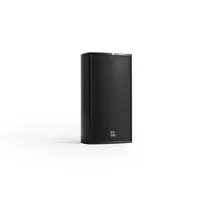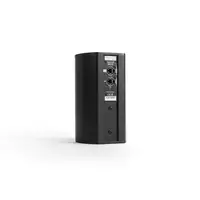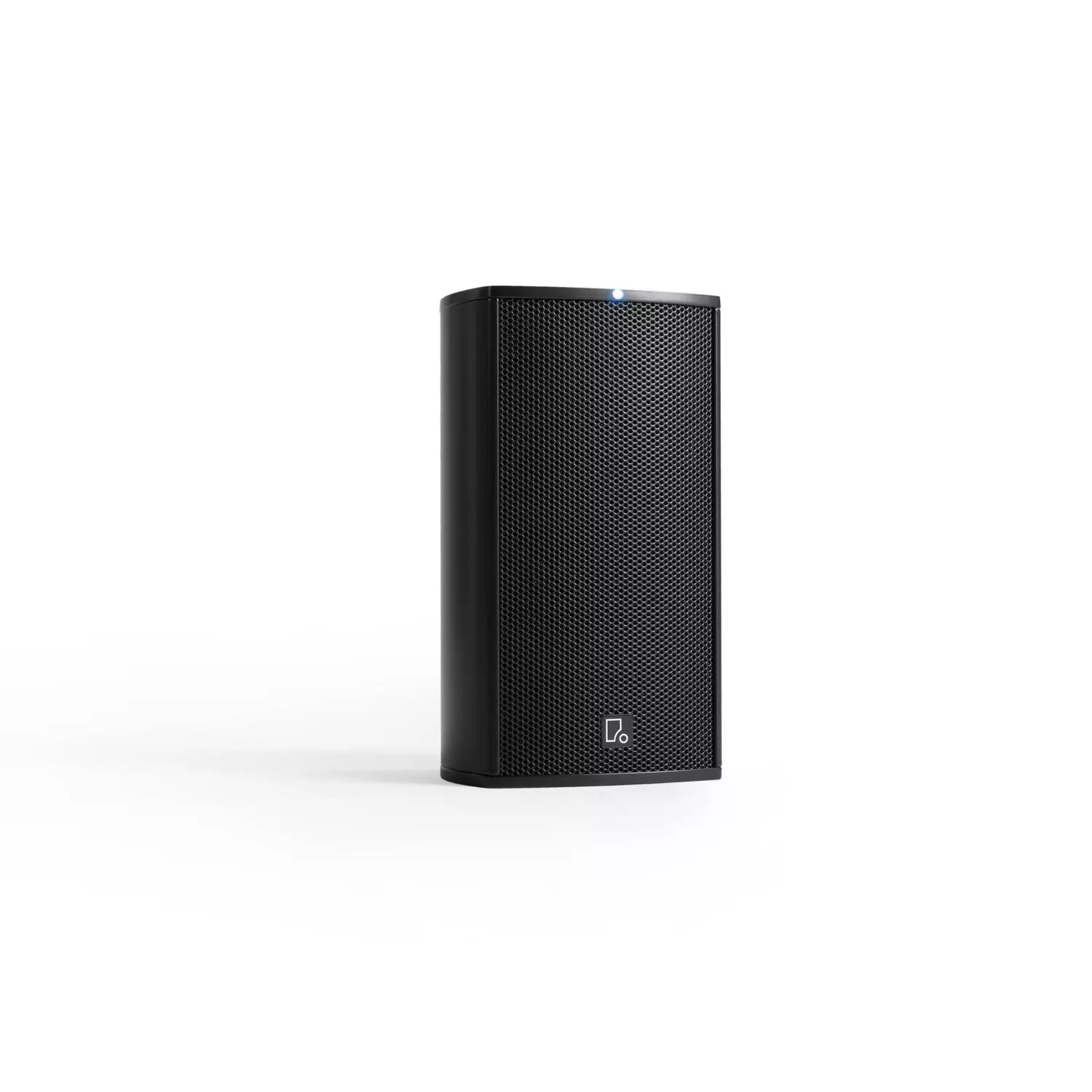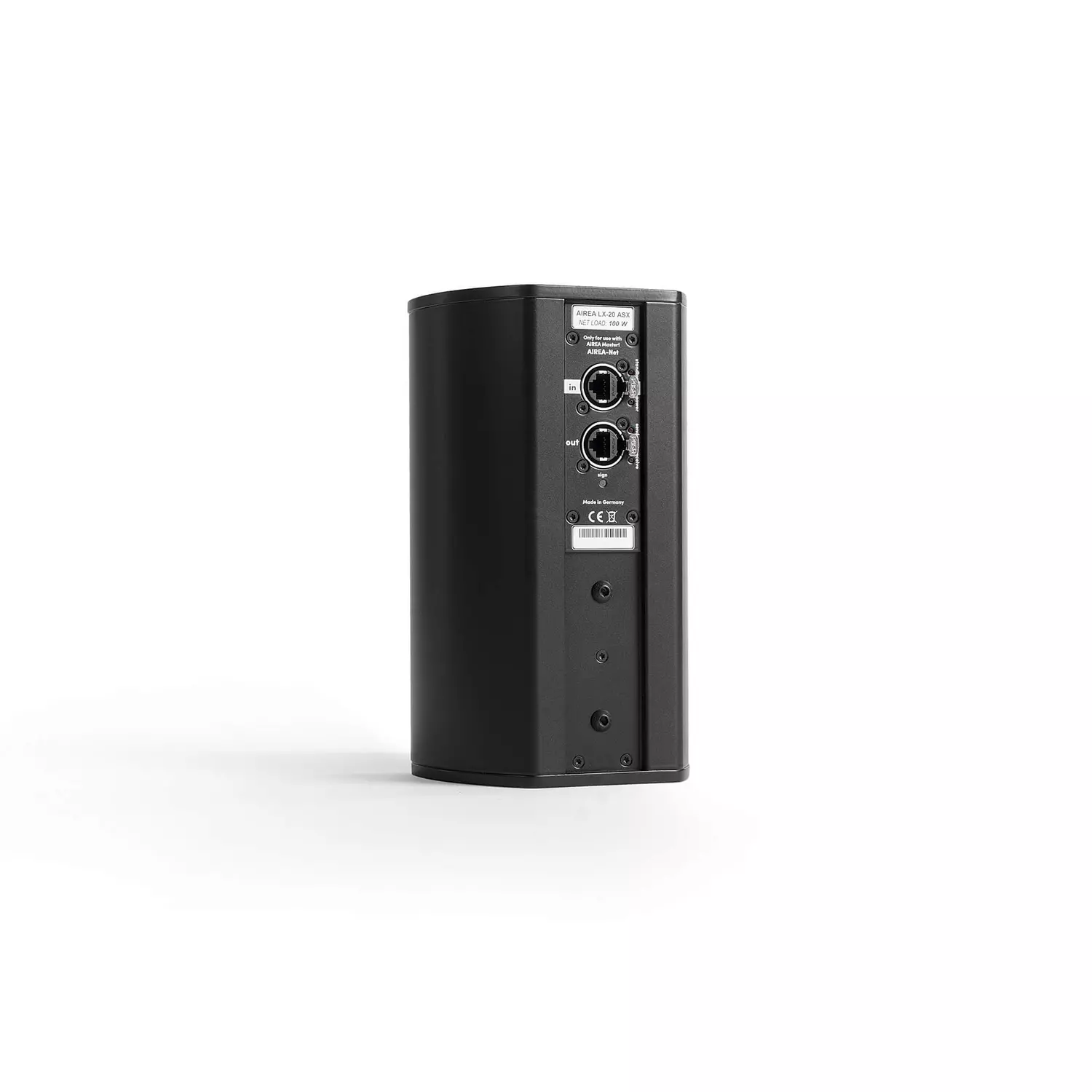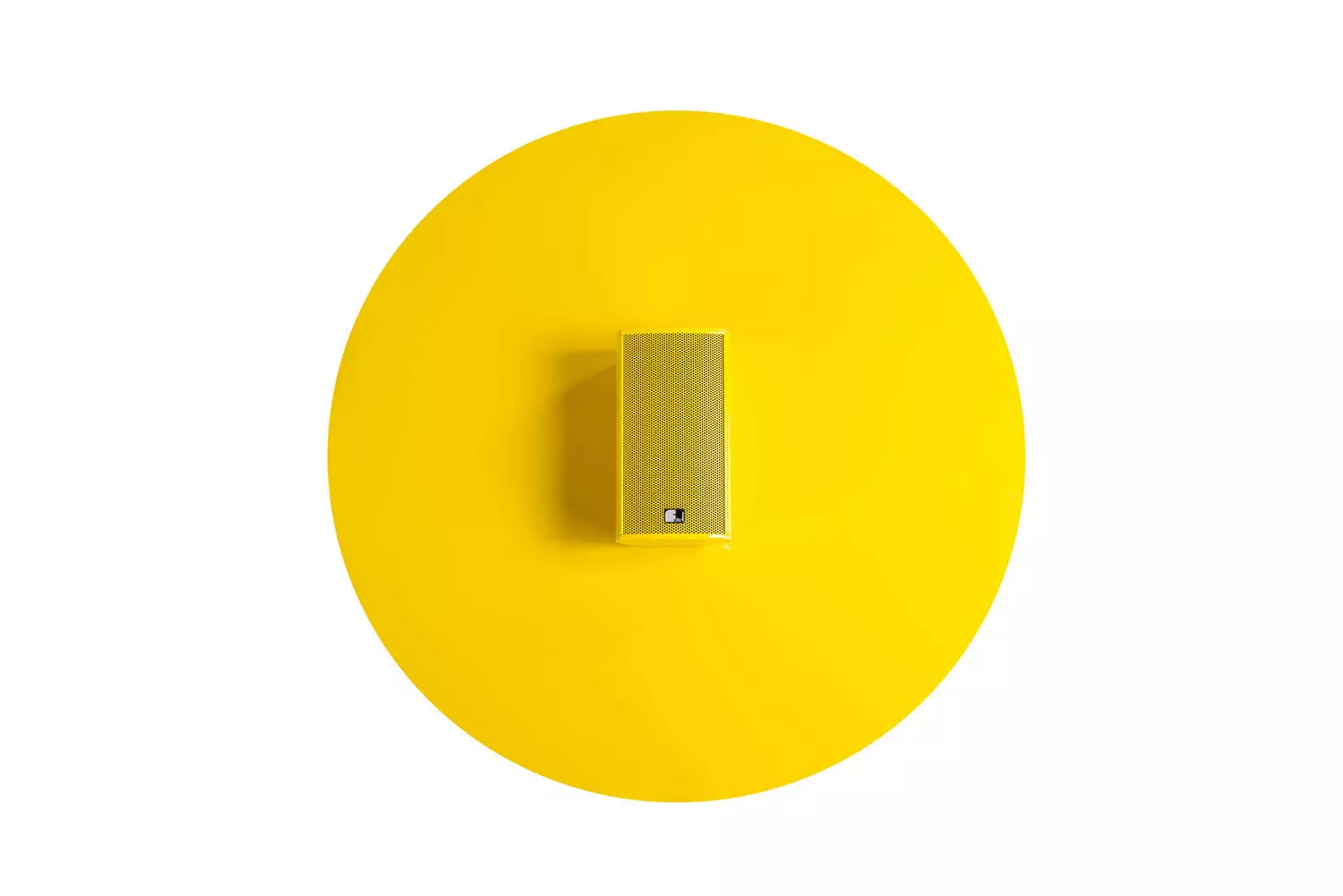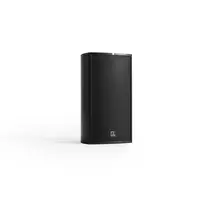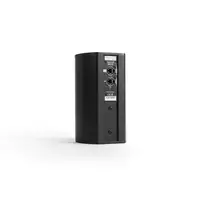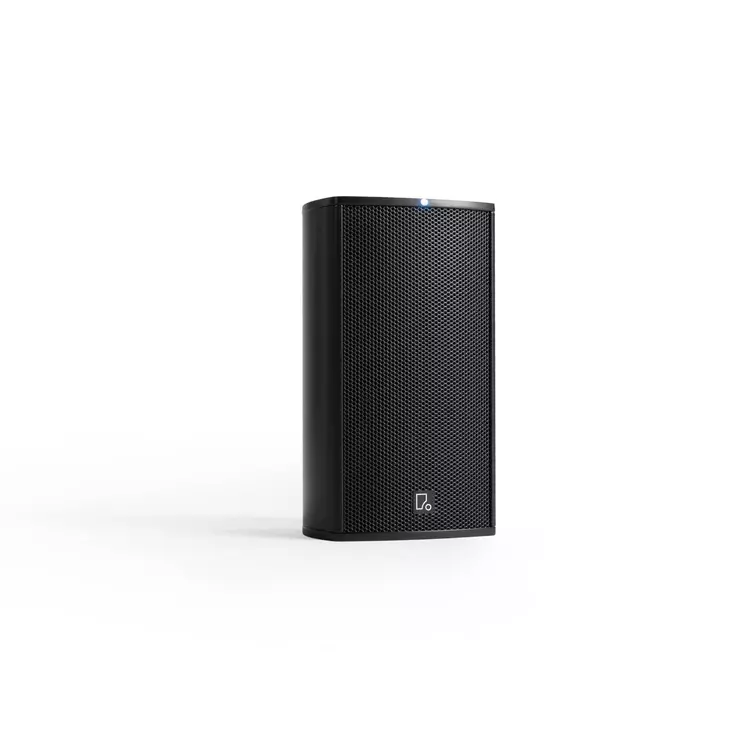
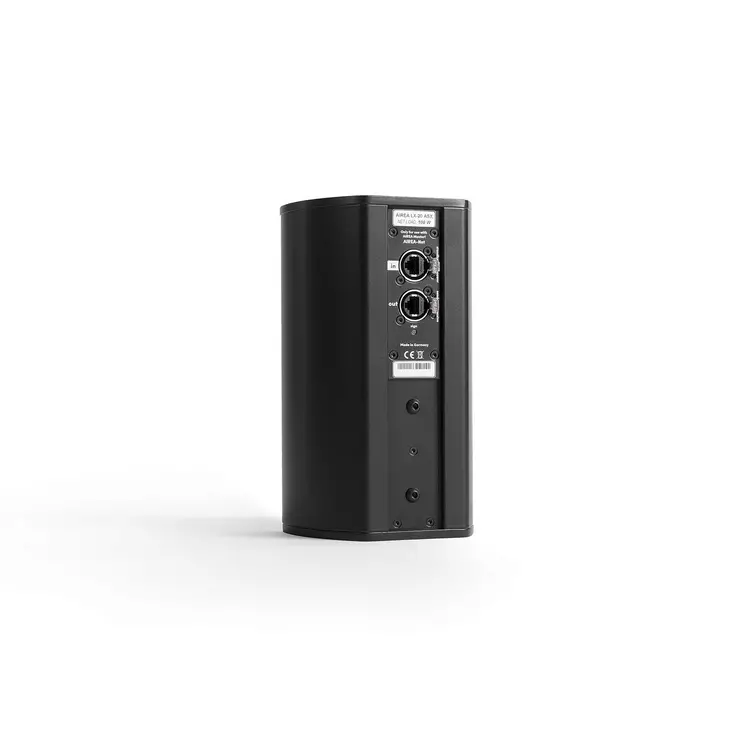

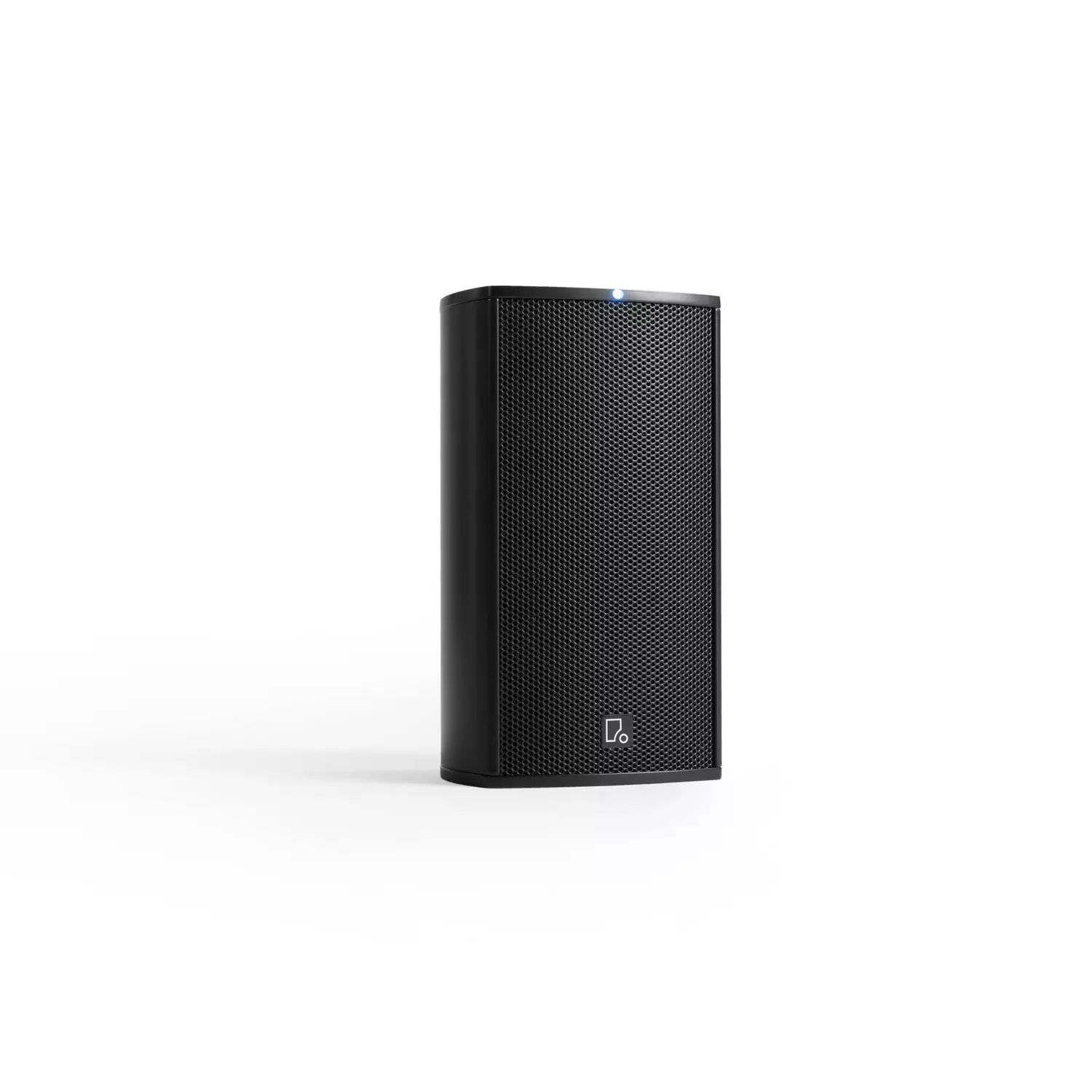
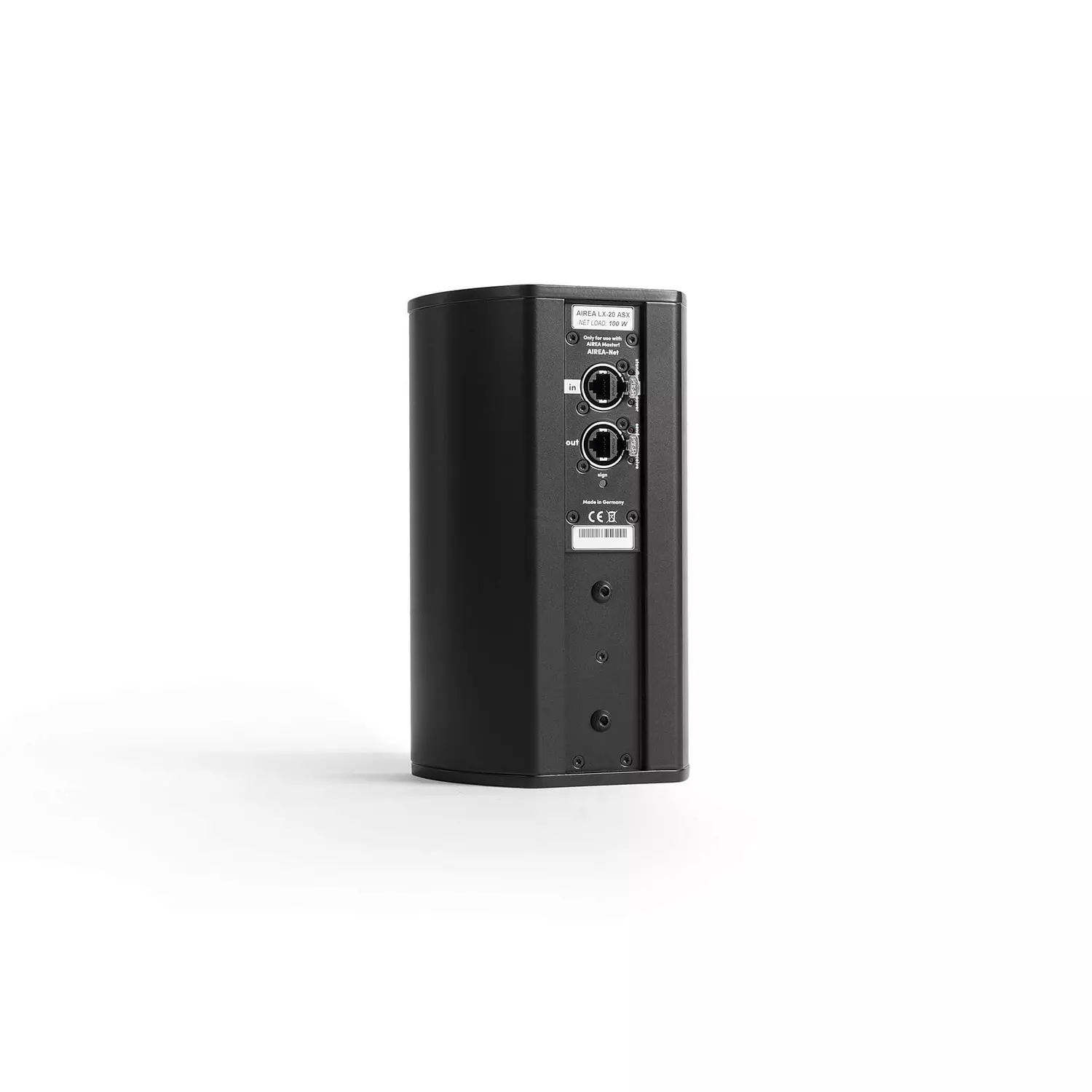
LX-20 ASX är en kompakt, aktiv 2-vägs närfältshögtalare från systemet Fohhn Airea . Den är ansluten via en nätverkskabel till Airea matrisen AM-4.4 som tillhandahåller nätspänning samt digitala ljud- och styrsignaler. LX-20 ASX garanterar uppspelning av röst och musik i världsklass i ett sofistikerat, helt digitalt ljudnätverk: Fohhn Airea .
2 × 4" lång utflyktsdrivare och 0,75" kupolhögtalare
Högt och mellanregister kan styras separat med en 2-kanalig förstärkare.
Omfattande DSP- och routingalternativ via Fohhn Audio Soft
Airea Nettobelastning: 100 W
Spridning av: 130° × 80° (H × V)
Anslutningar: 2 × RJ-45 (Fohhn Airea )
Kräver endast en enda CAT-kabel
Q-SYS Plugin tillgänglig i kombination med Fohhn NA-4 eller ABX-6
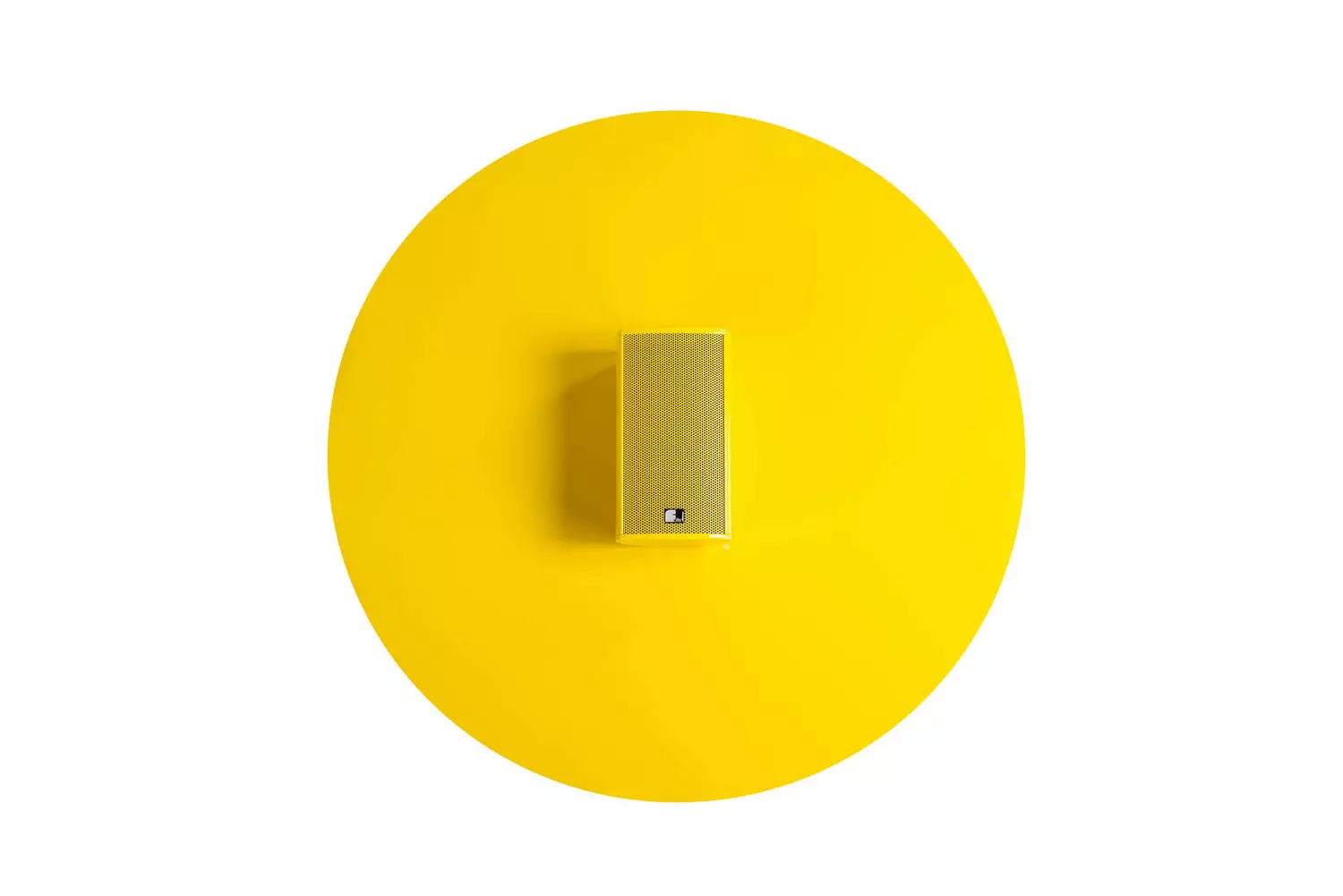
Kan fås i RAL Classic, NCS eller Pantone-färger på begäran.
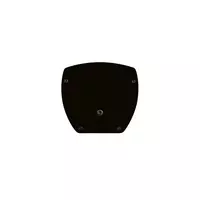
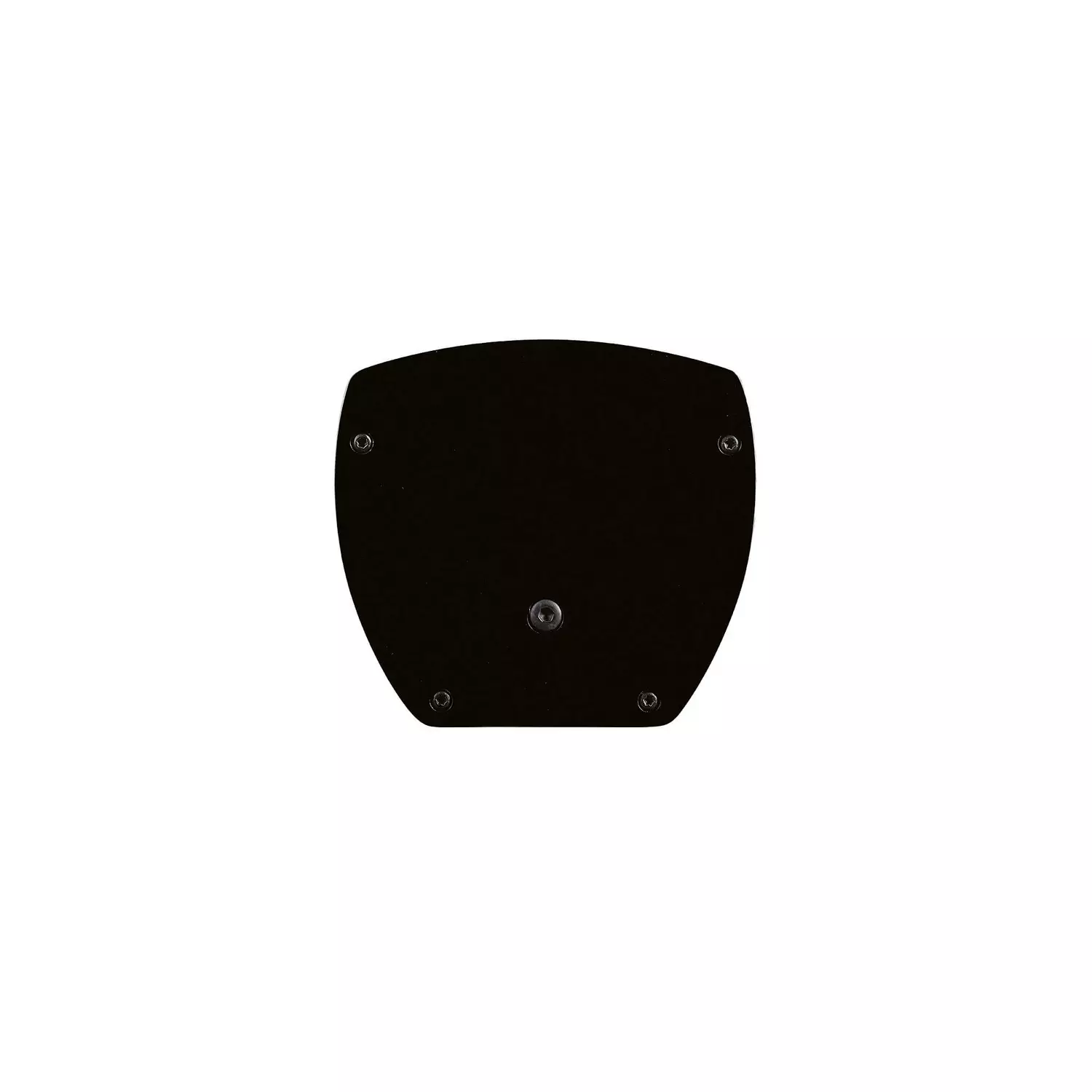
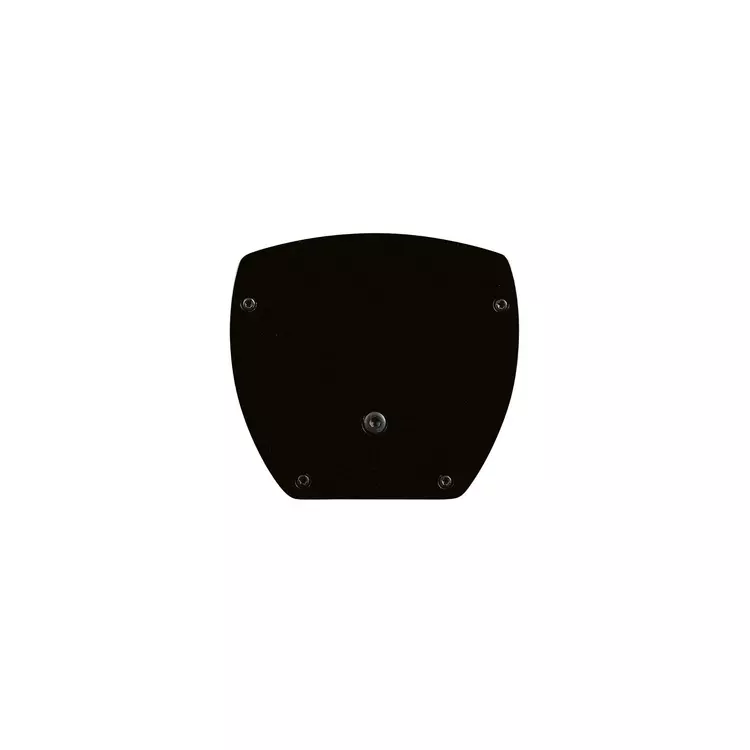
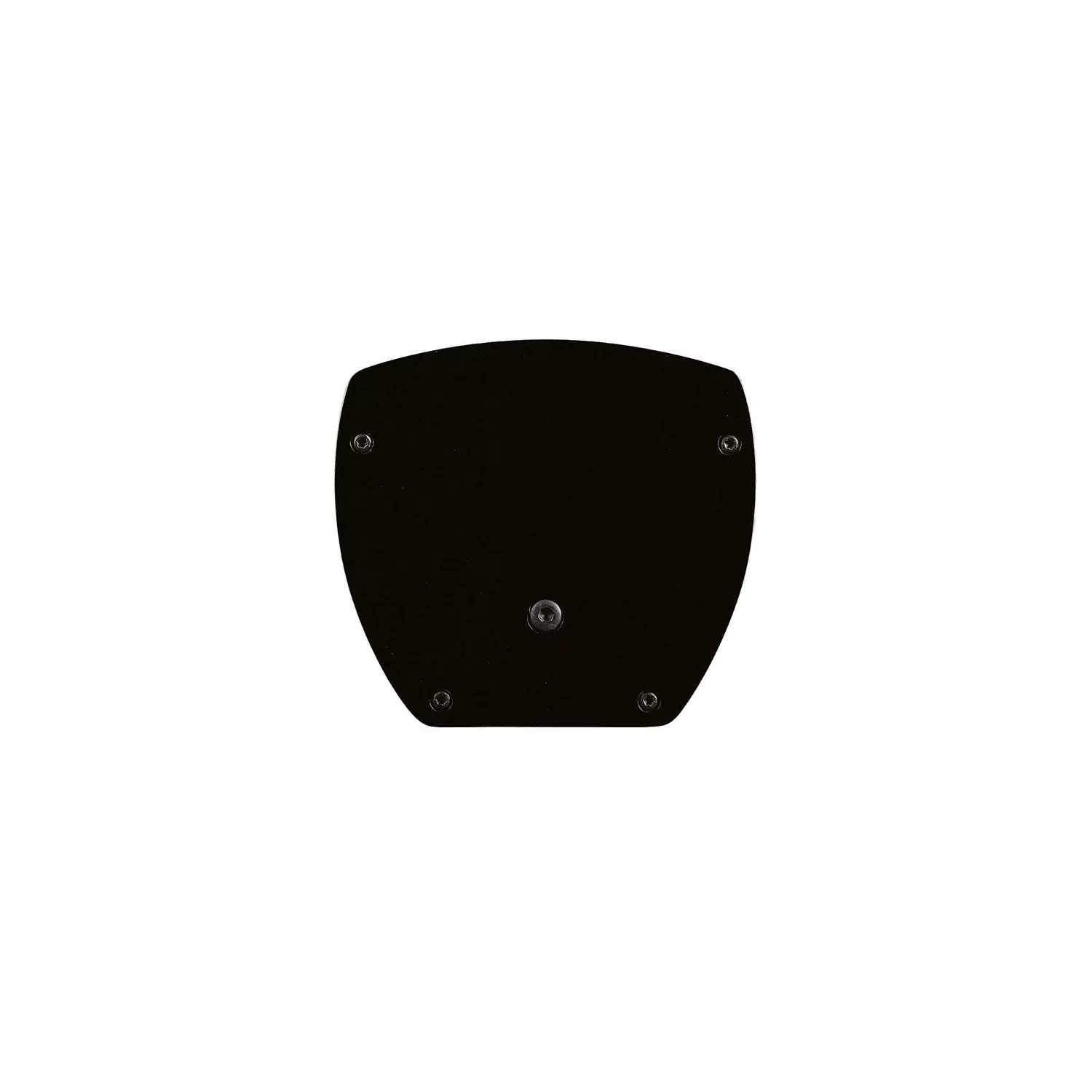
Olika monteringsalternativ för fasta och tillfälliga installationer
front grille with acoustically transparent 3D mesh fabric behind it
standard colors
black (RAL 9005), white (RAL 9016)
coating
powder coated
connectors
2 × RJ45 jack
mounting points
4 × M6 thread
Electroacoustic features
acoustic design
compact, active nearfield loudspeaker, 2-way
components
2 × 4" / 0.75" dome tweeter, fully neodymium
SPLmax
116 dB
frequency range
80 Hz - 20 kHz
nominal dispersion (h × v)
130 ° × 80 °
Electronic features
control
Fohhn Audio Soft via network, Airea
password protection
yes
power consumption (peak)
100 W
power consumption (standby)
5 W
cooling
fanless, passive
Environmental conditions
Fohhn Weather Rating 1
standard
operating temperature
0 °C - 40 °C
Optional features
special colors
Pantone, Fohhn Texture Design, RAL Classic, NCS, RAL Design, other color systems on request
CAAD simulation data
simulation data
EASE, CLF, Fohhn Designer
weight: net weight without optional equipment SPLmax: peak, 20 ms with bandpass filtered pink noise signal according to IEC 60268-2 at one octave above the lower limit of the frequency range, with speaker preset frequency range: −10 dB under anechoic half-space conditions, with speaker preset nominal dispersion: −6 dB compared to the main dispersion axis, averaged 1 – 4 k